Crochet at Mon Ami Foundation
Origins: A Design-Led Journey (2011)
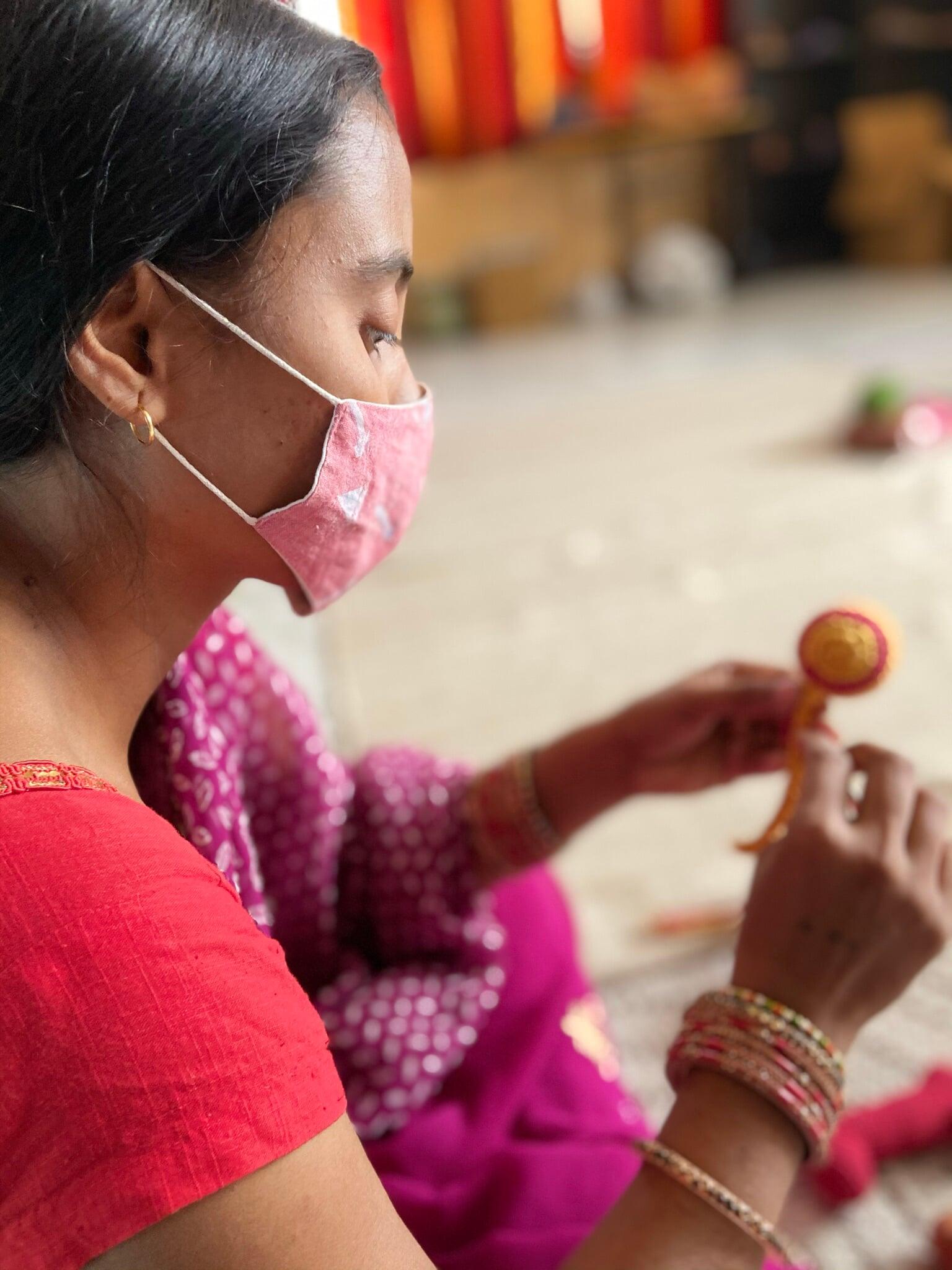
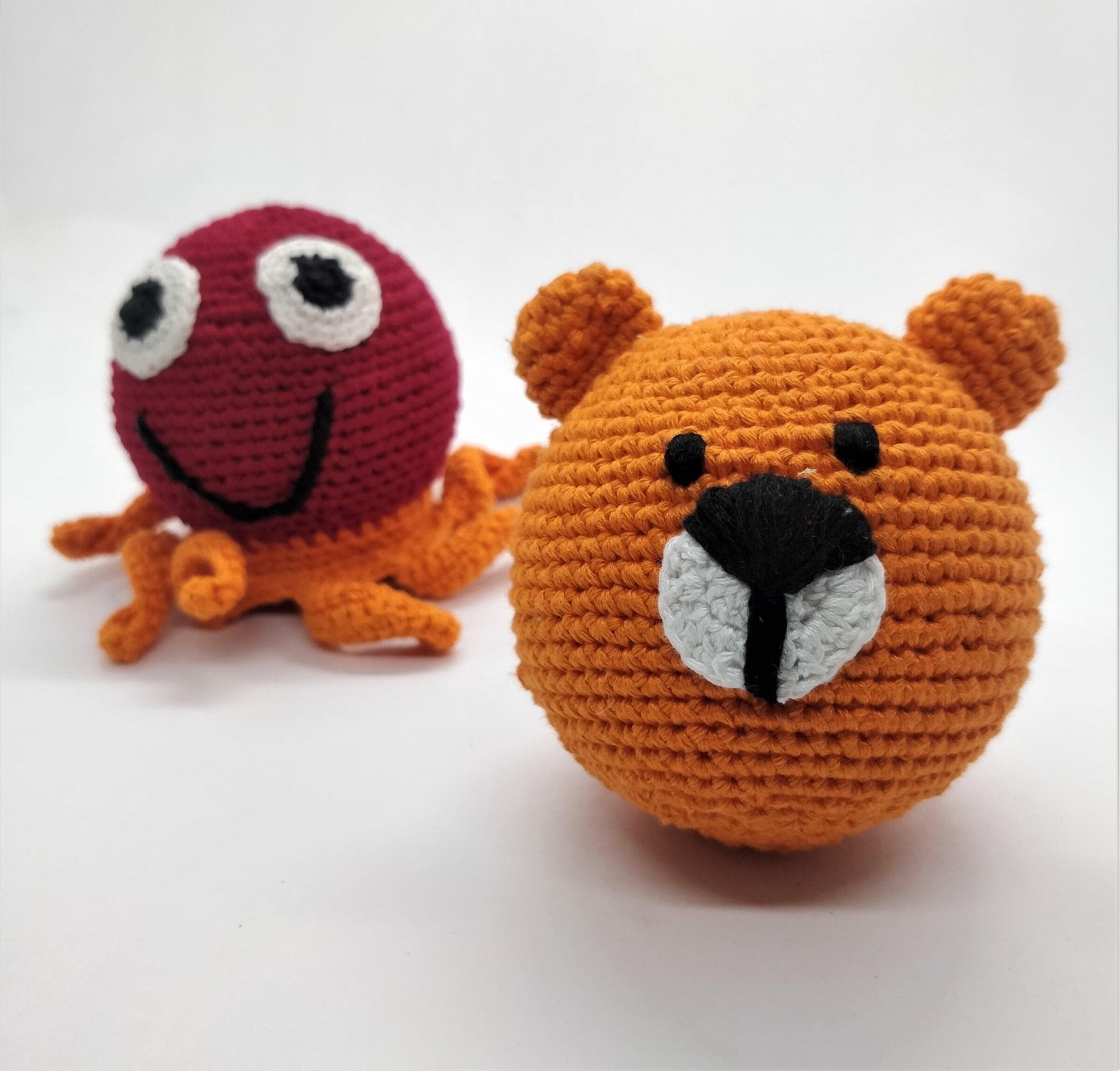
Crochet at Mon Ami began in 2011, when founder Anurag sought an alternative to plastic toys. Experimenting with crochet revealed its potential for tactile learning, sensory exploration, and imaginative play.
These early creations soon reached schools and libraries, showing crochet’s role in education beyond recreation.
Empowering Women, Building Livelihoods (2015)
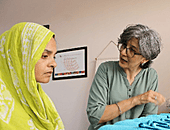
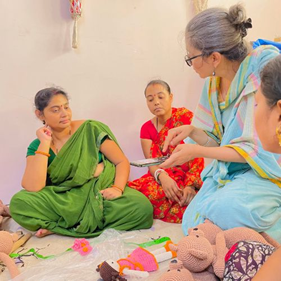
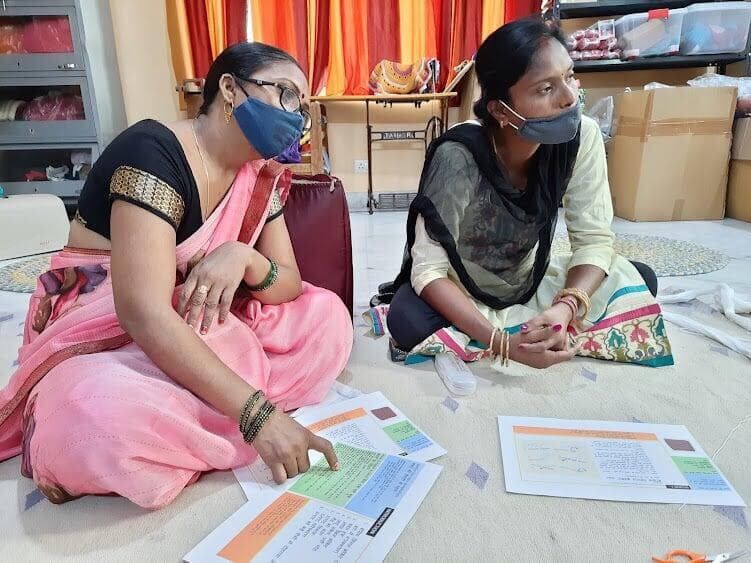
In 2015, Mon Ami Foundation formalized this vision by training migrant women artisans. Many already skilled in embroidery and stitching, they learned crochet through structured modules that enabled them to work independently from home. This created a sustainable ecosystem where craft became both income and empowerment.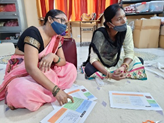
Design-First Approach
Every product is crafted with utility, durability, and aesthetic appeal in mind. Artisans are trained in symmetry, proportion, and finishing, ensuring each piece meets modern market expectations while preserving the authenticity of handmade craftsmanship. Crochet’s varied textures encourage sensory engagement, making products ideal for children and contemporary buyers alike.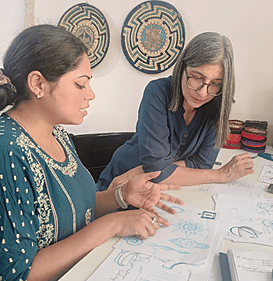
Resilience Through Technology
The COVID-19 pandemic accelerated innovation. Crochet kits were delivered to artisans’ homes, while virtual training ensured uninterrupted skill development. This decentralized model allowed women to balance household responsibilities while continuing to earn during challenging times.
Scale, Impact & Sustainability
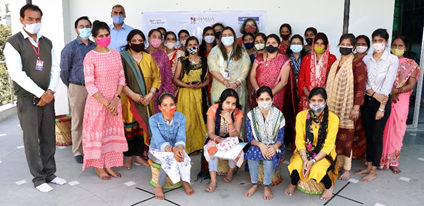
Today, Mon Ami Foundation supports 500+ women artisans, building one of India’s largest crochet clusters. The initiative contributes to:
- SDG 8: Decent Work & Economic Growth
- SDG 12: Responsible Consumption & Production
- SDG 17: Partnerships for the Goals
By combining design, livelihood, and sustainability, Mon Ami Foundation positions crochet as both a craft and a movement.
Partner With Us
Join us in promoting responsible craftsmanship and sustainable livelihoods. Together, we can create products that inspire, empower, and endure. Reach out to us at contact@monamifoundation.com

Crochet at Mon Ami Foundation
Origins: A Design-Led Journey (2011)
Crochet at Mon Ami began in 2011, when founder Anurag sought an alternative to plastic toys. Experimenting with crochet revealed its potential for tactile learning, sensory exploration, and imaginative play. These early creations soon reached schools and libraries, showing crochet’s role in education beyond recreation.
Origins: A Design-Led Journey (2011)
Crochet at Mon Ami began in 2011, when founder Anurag sought an alternative to plastic toys. Experimenting with crochet revealed its potential for tactile learning, sensory exploration, and imaginative play. These early creations soon reached schools and libraries, showing crochet’s role in education beyond recreation.
Empowering Women, Building Livelihoods (2015)
In 2015, Mon Ami Foundation formalized this vision by training migrant women artisans. Many already skilled in embroidery and stitching, they learned crochet through structured modules that enabled them to work independently from home. This created a sustainable ecosystem where craft became both income and empowerment.
Empowering Women, Building Livelihoods (2015)
Design-First Approach
Every product is crafted with utility, durability, and aesthetic appeal in mind. Artisans are trained in symmetry, proportion, and finishing, ensuring each piece meets modern market expectations while preserving the authenticity of handmade craftsmanship. Crochet’s varied textures encourage sensory engagement, making products ideal for children and contemporary buyers alike.
Design-First Approach
Every product is crafted with utility, durability, and aesthetic appeal in mind. Artisans are trained in symmetry, proportion, and finishing, ensuring each piece meets modern market expectations while preserving the authenticity of handmade craftsmanship. Crochet’s varied textures encourage sensory engagement, making products ideal for children and contemporary buyers alike.
Design-First Approach
Every product is crafted with utility, durability, and aesthetic appeal in mind. Artisans are trained in symmetry, proportion, and finishing, ensuring each piece meets modern market expectations while preserving the authenticity of handmade craftsmanship. Crochet’s varied textures encourage sensory engagement, making products ideal for children and contemporary buyers alike.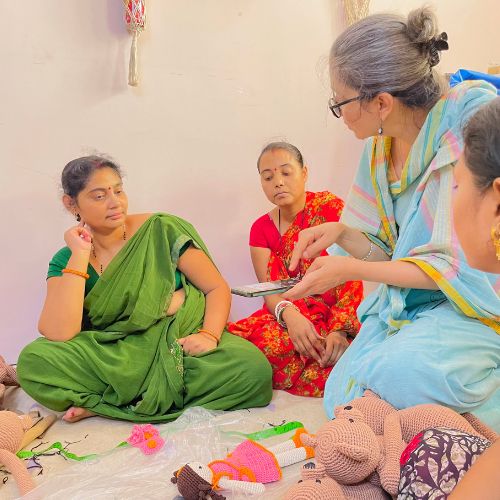

Resilience Through Technology
The COVID-19 pandemic accelerated innovation. Crochet kits were delivered to artisans’ homes, while virtual training ensured uninterrupted skill development. This decentralized model allowed women to balance household responsibilities while continuing to earn during challenging times.
Resilience Through Technology
Scale, Impact & Sustainability
Today, Mon Ami Foundation supports 500+ women artisans, building one of India’s largest crochet clusters. The initiative contributes to:
- SDG 8: Decent Work & Economic Growth
- SDG 12: Responsible Consumption & Production
- SDG 17: Partnerships for the Goals
By combining design, livelihood, and sustainability, Mon Ami Foundation positions crochet as both a craft and a movement.
Partner With Us
Join us in promoting responsible craftsmanship and sustainable livelihoods. Together, we can create products that inspire, empower, and endure. Reach out to us at contact@monamifoundation.com