
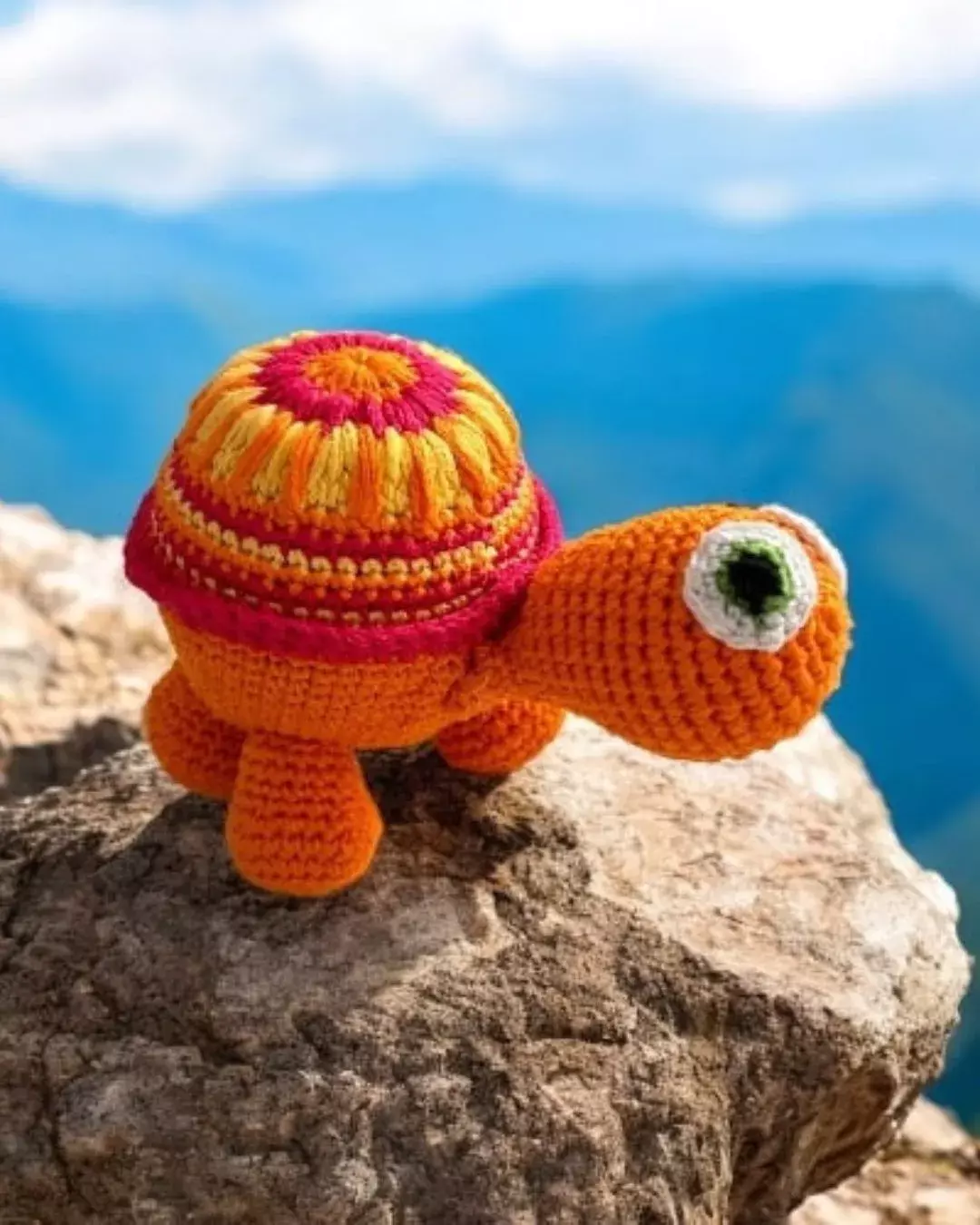
In our CraftHub, this question sparks endless debate: why should all the turtles look the same? As we build capacity and train artisans to produce multiple units of the same product, we aim for a remarkable 95% likeness across dozens of pieces. It’s a demanding standard, especially when multiple artisans are racing against deadlines. Even when the design criteria are met, subtle differences emerge—tiny variations in curve, finish, or detail.
Our buyers, though supportive of artisan work, often come from a background of purchasing bulk, machine-made imports from neighbouring countries. They are accustomed to absolute uniformity: rows of identical products, each indistinguishable from the next. Against that backdrop, our handcrafted pieces sometimes feel “different.” And so begins the delightful conversation: why should they all look the same?
Machines excel at replication. They erase individuality in favour of efficiency. But handmade products carry the imprint of the human hand—the rhythm of the artisan’s skill, the nuance of their touch, the story of their craft. Each piece is not just an object; it is a signature. When we pause from machine-made perfection, we discover beauty in individuality. The slight differences are not flaws; they are proof of authenticity.
Uniformity has its place in mass production. But in artisan work, sameness risks stripping away the very soul of the craft. Buyers who embrace individuality are not just purchasing a product; they are investing in heritage, creativity, and human connection. Each turtle, while similar, carries its own personality. And isn’t that worth celebrating?
So, the next time someone asks why all the turtles don’t look the same, perhaps the better question is: why would we want them to?