For years, employee engagement followed a familiar playbook: team lunches, birthday shoutouts, an annual off-site. That worked when everyone sat in the same office. It works far less now, with teams split between home offices, co-working hubs, and cities apart. Into that gap steps virtual volunteering—and it is quickly becoming the next major shift in how companies keep people invested.
What Virtual Volunteering Really Means
At its core, virtual volunteering is simple: giving your time and skills to a cause from wherever you are, using nothing but a laptop. As Katherine Gorman puts it, “Volunteering takes place on your couch, with your coworkers, during your workday.” That could mean mentoring a student over video call, writing website copy for an NGO, or teaching digital skills to someone who never had access before.
Unlike an office party, virtual volunteering scales across a whole company at once. That scalability is exactly why it is shaping the future of engagement.
Purpose Overtakes Perks
The real driver here isn’t perks—it’s purpose. As Joshua Harris notes, “Employee volunteering is no longer just about social good; it’s a strategic business advantage.”
That shift explains the rise of Volunteer Time Off (VTO), treating giving back as paid work, not a weekend Favor. It also feeds directly into CSR strategy, building trust with stakeholders and compounding results over time rather than creating one-off PR moments. Technology now matches employee skills to real needs, ensuring impact is both authentic and measurable.
Artisan Incubation Model: Mon Ami Foundation
Our unique AI model demonstrates how this works in practice. Backed by CSR partners like DCM Shriram Foundation, HCL Foundation, Dalmia Bharat Foundation, and Synergy Consulting Inc., it has:
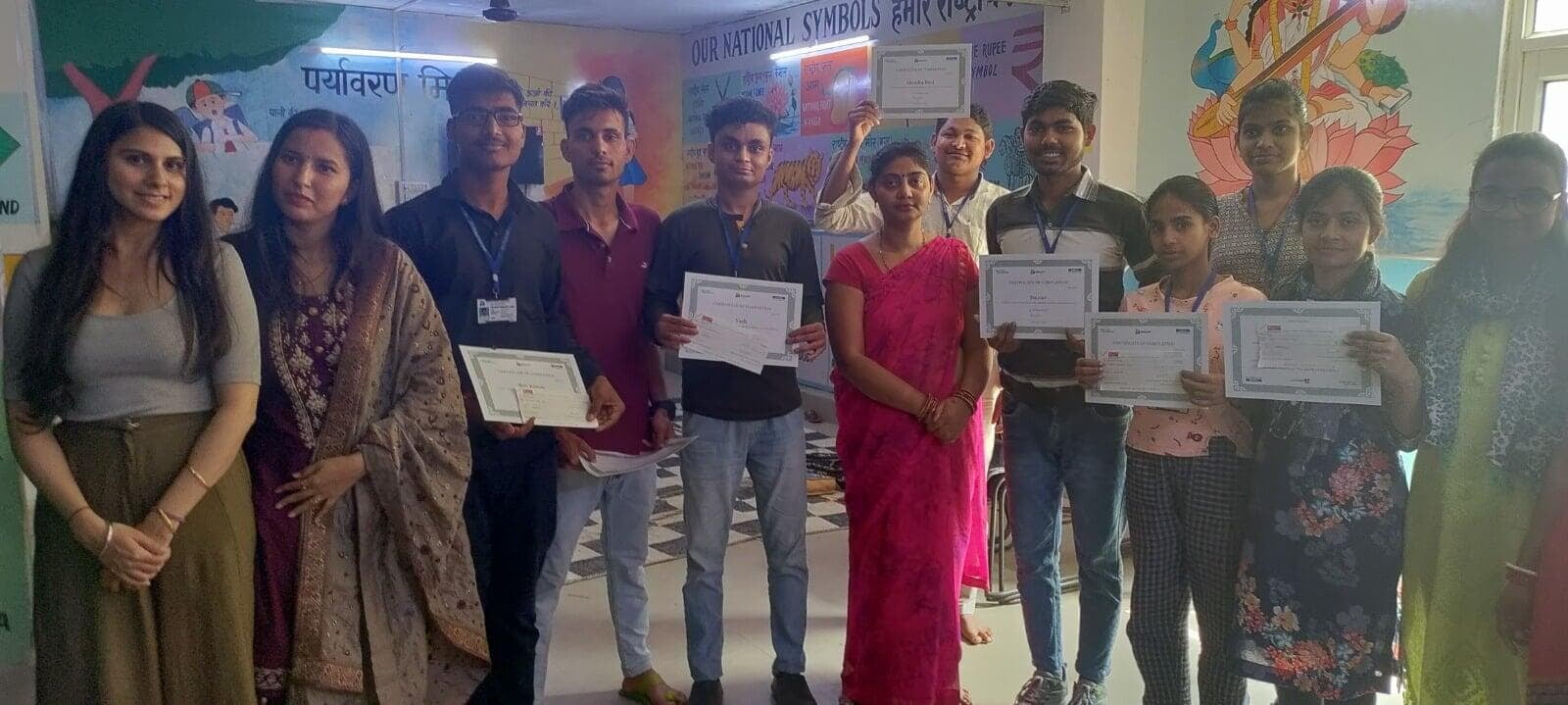
- Trained over 1,000 women artisans across Uttar Pradesh, Delhi NCR, and West Bengal in crafts like zardozi and crochet.
- Paired IIT Roorkee research students with the camel-herding community in Rajasthan, exploring new uses for camel dung, wool, and milk by-products—skilled volunteering feeding directly into livelihood innovation.
- Extended impact inward through initiatives like a Dental Health Camp for school staff in NCR, showing how volunteering can strengthen an organization’s own workforce.
This is not yet a finished success story. Mon Ami’s reach is still concentrated in a few regions, dependent on year-to-year CSR funding. Projects like Pastoral Livelihoods and Project Ektara need deeper market linkages to scale. But the proof is clear: expert time and CSR partnerships already work, even as honest ground remains to cover.
The Road Ahead
Virtual volunteering is more than a stopgap for remote teams—it is a blueprint for the future of employee engagement. It aligns purpose with productivity, scales across geographies, and embeds CSR into everyday work.
So, the next time your company mentions virtual volunteering, recognize it for what it is: not a trend, but the trajectory of engagement itself.
Contributed by Shreya Mangla, student St. Stephen’s College, Delhi University