When we talk about impact assessment, the conversation often stops at numbers—beneficiaries reached, income generated, or funds disbursed. These metrics, usually compiled by third-party agencies, satisfy regulatory requirements but rarely capture the deeper story. True last mile impact is not about ticking boxes; it is about long-term transformation in habits, aspirations, and community resilience.
Consider hygiene practices, food choices, education, or even gender sensitivity. These are not easily quantified, yet they define whether an intervention has genuinely shifted the trajectory of a community. Unfortunately, field staff conducting assessments often lack emotional investment. Their reports emphasize scale over depth: 1,000 people earning ₹1,000 each is rated higher than 50 individuals consistently earning ₹10,000. But which scenario truly breaks cycles of poverty?
Real change happens when projects create role models—individuals who embody possibility and inspire others. Numbers alone cannot measure hope, dignity, or the courage to challenge entrenched norms. Communities need aspirational frameworks, not handouts. They must see that escaping poverty is possible but also recognize that the responsibility lies with them to take charge of their own progress.
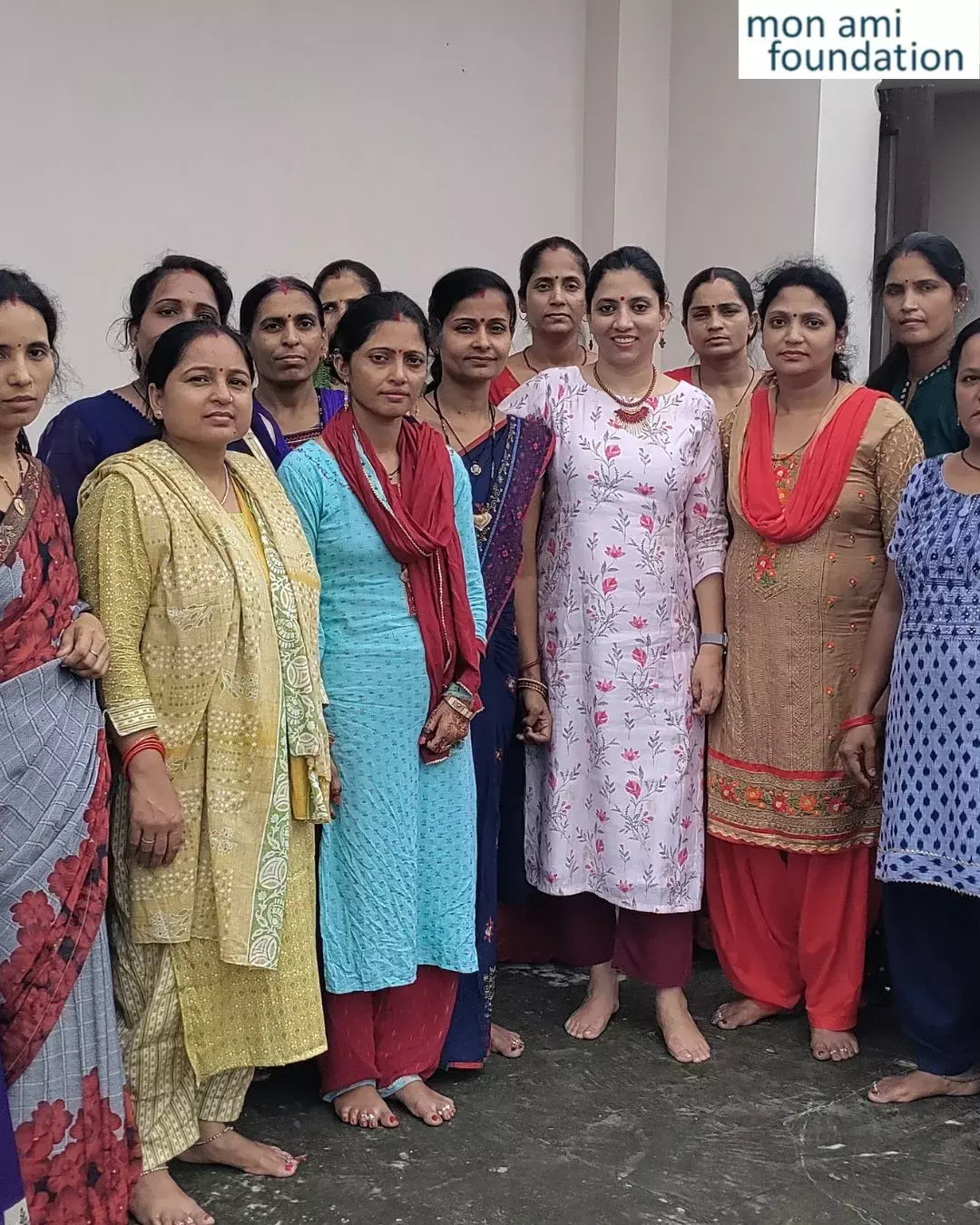
At Mon Ami Foundation, our Red Earth Model is built on this philosophy. We nurture community resource persons who act as catalysts, encouraging peers to adopt new practices and envision brighter futures. For us, impact is not an entry in an Excel sheet—it is the ripple effect of one person’s transformation inspiring many others.
Collaboration, therefore, must go beyond compliance-driven assessments. It requires empathy, storytelling, and a commitment to measuring what truly matters: sustained behavioural change, strengthened social fabric, and the emergence of local champions. That is the essence of last mile impact—where numbers fade but hope and agency endure.