
Internships are often seen as stepping stones into corporate careers, but their role in social organizations is equally vital. College students should be encouraged to spend at least 4–6 weeks interning with social enterprises. This experience not only broadens their understanding of the sector but also nurtures empathy—an essential quality for future leaders.
For students, such internships provide exposure to grassroots realities. They learn how social enterprises tackle challenges like sustainability, livelihood creation, and community empowerment. Unlike classroom lessons, these experiences are immersive, teaching adaptability, problem‑solving, and cultural sensitivity. Students return with a deeper appreciation of social impact and a stronger sense of responsibility toward society.
For the enterprises, the benefits are equally significant. Many social organizations operate with limited resources and cannot afford to hire young graduates full‑time. Interns bring fresh perspectives, digital skills, and innovative ideas that help bridge generational and demographic gaps. Their energy and curiosity often spark creative solutions, while their presence strengthens the organization’s connection to younger audiences.
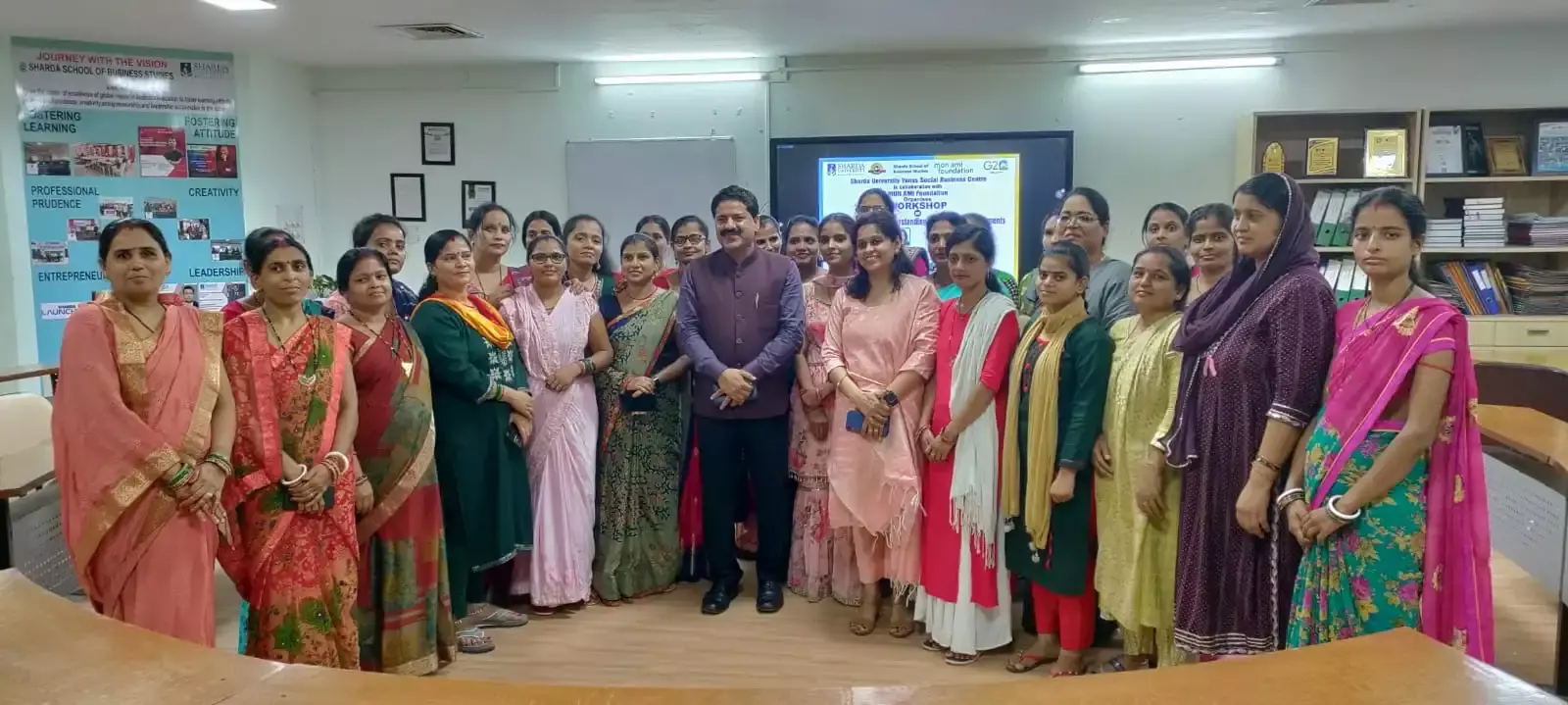
At CraftsAQ, we have been actively encouraging such internships. By connecting students with artisans supported by the Mon Ami Foundation, we create opportunities for them to witness firsthand the resilience, creativity, and individuality of craft communities. This exposure not only enriches students’ learning but also deepens their empathy for artisans whose livelihoods depend on sustainable growth and fair opportunities. It is a powerful way to blend youthful innovation with traditional wisdom.
Educational institutions play a pivotal role in making this connection possible. By integrating social internships into academic programs, colleges can encourage students to step outside conventional career paths. When universities champion these initiatives, they create a culture where social responsibility is valued alongside academic excellence.
In essence, internships in social organizations foster a symbiotic relationship—students gain empathy and practical insights, while enterprises benefit from youthful innovation.